
Why thinking looks like doing nothing ?
I spend a significant part of my day doing what might look like… nothing. But in reality, I’m thinking – deeply and often away from my desk, sometimes while running or walking. I often spend an hour at the gym and another hour walking – it’s during these moments that my mind truly opens up, connecting ideas and gaining clarity. Physical movement isn’t just a break; it’s part of my thinking process. Lately, I’ve come to realize that this is probably my real work. Today, being busy is often mistaken for being productive. Answering emails quickly, hopping from meeting to meeting, staying constantly visible, that’s what’s celebrated. Yet, stepping away from the computer or taking time alone is often seen as laziness or distraction.
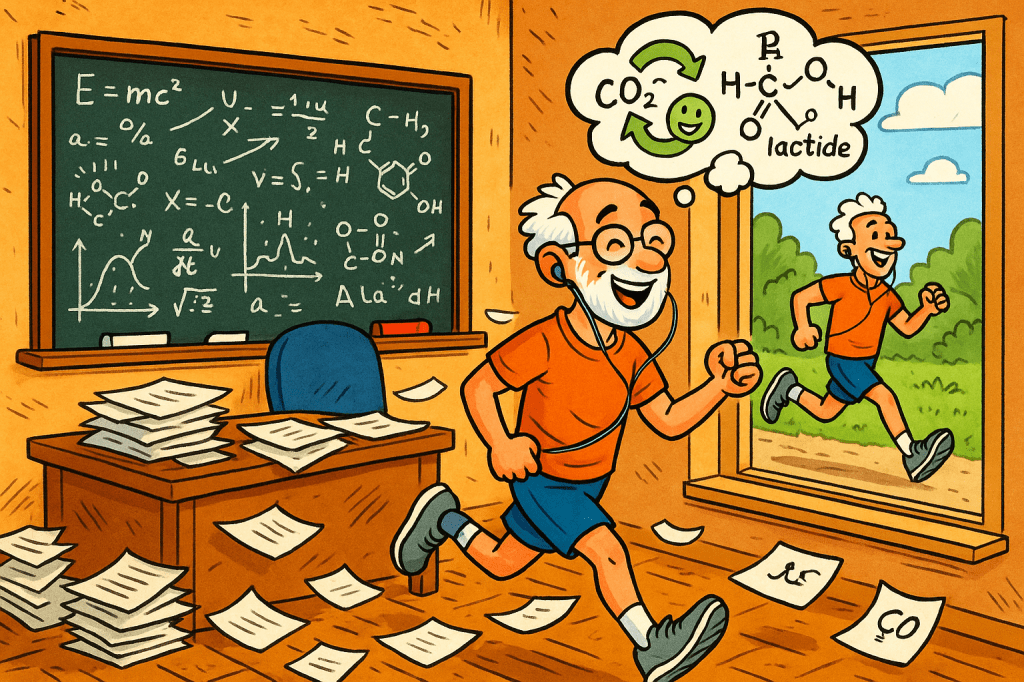
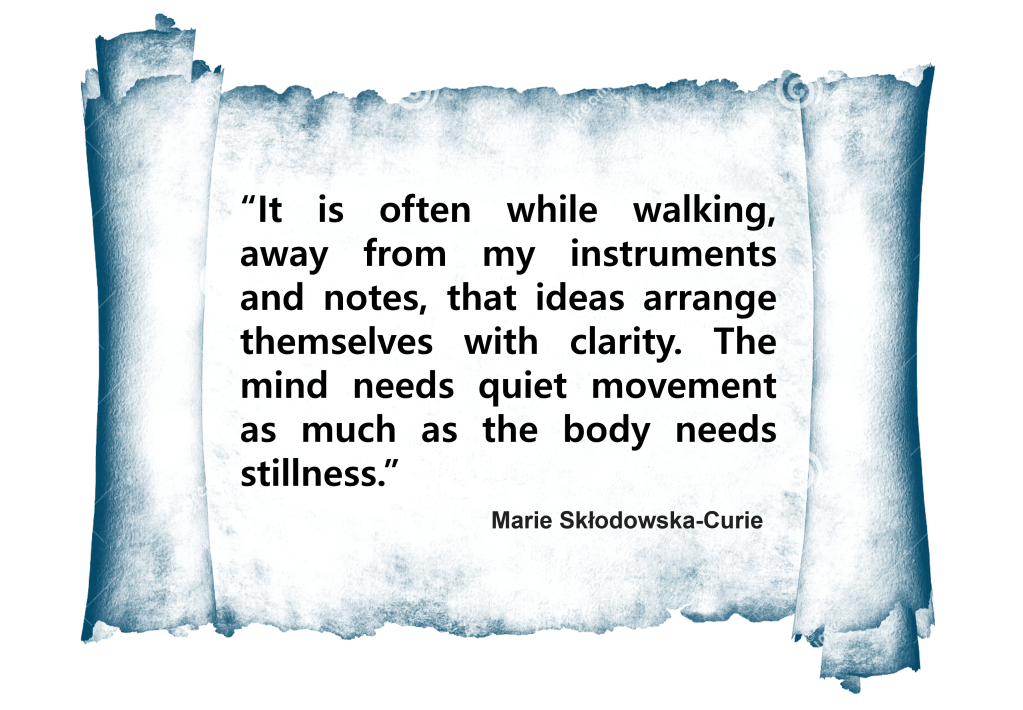
From my experience, true thinking doesn’t happen in noisy offices or endless meetings. It requires space, silence, and rhythm – sometimes physical movement – to flourish. This is not procrastination; it’s essential intellectual labor. I’m not claiming to be especially intelligent. I simply think. And often, I need to move, to clear my mind and open new perspectives. My desk and frequent interruptions rarely help me do that. I even suspect those tied to constant meetings get less done. This contrast reveals a fundamental misunderstanding of intellectual work. The university values measurable outputs – hours, emails, meetings – but the most important ideas often emerge in quiet, unseen moments.
Thinking isn’t avoidance; it’s a vital process that leaves no immediate trace. Those who “disappear” from the visible bustle may be the ones truly engaged in meaningful reflection. Maybe it’s time to rethink productivity. True intellectual work is often invisible, unclocked, and unpredictable. And perhaps real thinking happens exactly where academia isn’t looking.
The articles listed below are available as subpages under this section:
- Do Great Scientific Advancements Come from Solitude or Collaboration ?
- The Hidden Struggles of Being a University Researcher-Teacher
- The Future of AI in Polymer Chemistry: Enhancing Research and Education
- Is Flow Chemistry realistic for an industrial polymer production?
- Converting waste plastics into value-added materials by putting carbon dioxide (CO2) to work
 Coulembier's research